Inclusivity is a priority at LFV
The Lycée Français de Vienne is an inclusive school.
It warmly welcomes students with special educational needs and is fully committed to supporting them throughout their academic journey.
Students with Special Educational Needs (SSEN)
In general, students with special educational needs are those who require specific attention from teachers.
In France, the Directorate General for School Education classifies students with special educational needs. This includes children with disabilities (physical, sensory, or mental), children with severe and persistent academic difficulties, children facing challenging family or social situations, intellectually gifted children, non-French-speaking children, and children with illnesses.
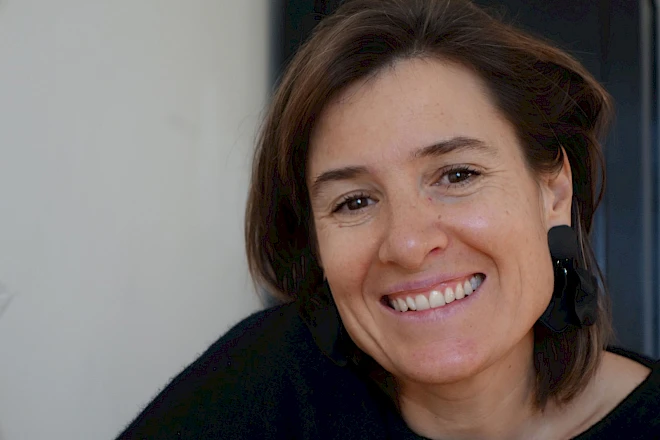
Katia Boulard has been the Special Educational Needs (SSEN) Coordinator at the Primary School since 2019 and for the entire institution since 2021. She is a qualified primary school teacher, holds a university diploma in Inclusive Schooling in French Schools Abroad from the National Institute for Inclusive Schooling, and is also a psychotherapist.
Mission
The SSEN Coordinator’s mission is to ensure that all students are educated in the best possible conditions, regardless of their difficulties. She attends educational team meetings, advises families and teachers, proposes accommodations, and ensures the continuity of support programs over the years. She liaises with healthcare professionals, organizes and leads training sessions and events to promote inclusion among teachers, students, and parents, and recruits and trains AESH (Support Staff for Students with Disabilities).
Resources
More information
Contact
You can contact the SSEN Coordinator by email at xngvn.obhyneq@ylprrsenapnvf.ng
Educational Accommodations
The Lycée Français de Vienne offers all the accommodations recommended by the French Ministry of Education. These are adaptive measures designed for students whose specific needs have been identified and/or diagnosed.
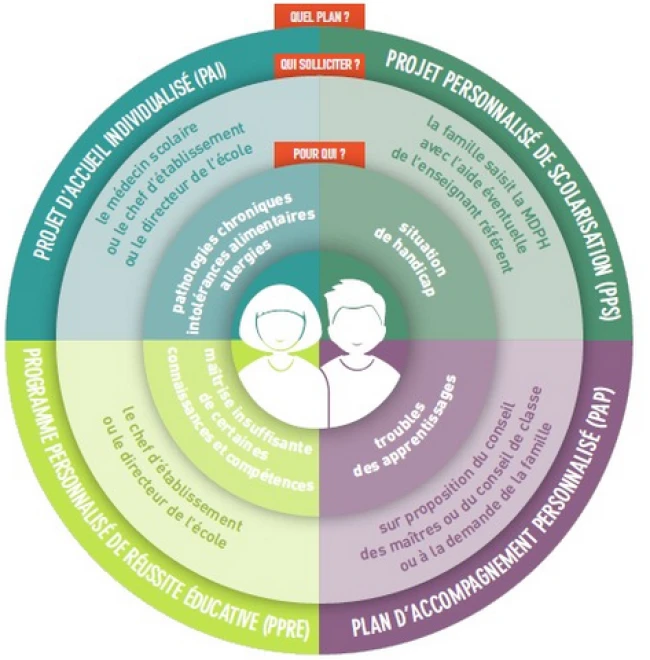
PPRE: Personalized Educational Success Program
The Personalized Schooling Project (PPS) is intended for children with disabilities.
How to proceed?
The family consults a doctor who diagnoses the child’s disability. They may seek advice from the SSEN Coordinator if needed. Once the diagnosis is established, the educational team meets and drafts the PPS. This document outlines the recommended accommodations to ensure the child’s academic success.
Example: Implementation of support for the student with a disability by an AESH (Support Staff for Students with Disabilities).
PAP: Personalized Support Plan
The Personalized Support Plan (PAP) is designed for students with persistent academic difficulties due to learning disorders, such as dyslexia, dyscalculia, dysorthographia, oral language disorders, developmental coordination disorder, or attention deficit with or without hyperactivity.
How to proceed?
The PAP can be proposed by the family or the teacher. A doctor or clinical psychologist confirms the disorders and provides recommendations for implementing this plan. The educational team then meets to decide on the appropriate accommodations for the child.
PPRE: Personalized Educational Success Plan
The Personalized Educational Success Plan (PPRE) is intended for students who have not mastered certain skills and knowledge. It is also recommended for intellectually gifted students.
How to proceed?
The PPRE is proposed by the teacher, who informs the family. The educational team meets regularly to evaluate the effectiveness of the PPRE. If difficulties persist, it may be necessary to refer the parents to a healthcare professional and replace the PPRE with a PAP.
PAI: Individualized Welcome Project
The Individualized Welcome Project (PAI) is intended for children with chronic illnesses, such as allergies, food intolerances, or diabetes. This protocol facilitates the child’s integration into school, for example, by accommodating regular blood sugar monitoring or supporting schooling during hospitalization.
How to proceed?
The family informs the teaching team about the child’s condition. The educational team, along with the school nurse and the child’s doctor, meets to draft the PAI.
Good to know: Medication can only be administered at school within the framework of a PAI!
Frequently Asked Questions
My child is struggling. What can I do?
If your child is having difficulties, you should contact their teacher as soon as possible. The teacher is your primary point of contact. You can also reach out to the SSEN Coordinator to learn about possible accommodations or to get information about procedures and professionals in Vienna who may be able to help your child.
What is the educational team?
The educational team includes your child’s teachers and parents. It may also include a member of the school administration, the SSEN Coordinator, the school nurse, the head of student services, or a healthcare professional.
What concrete changes can be made for my child?
Depending on the protocol implemented (PPRE, PAP, PPS, or PAI), the team can adjust school schedules to allow for medical care, modify assessment conditions, or adapt the academic program. The educational team is open to any accommodations that can help the student succeed.
What is an AESH?
Role:
An AESH (Support Staff for Students with Disabilities) helps students with disabilities succeed in school. Their role is to support the student in learning, communication, and social interactions, fostering autonomy. The AESH works under the pedagogical responsibility of the teacher and the authority of the school administration. They attend meetings of the student’s educational support team and participate in quarterly follow-up meetings with colleagues.
Recruitment:
If the educational team decides to assign an AESH as part of the PPS, the SSEN Coordinator finds a suitable candidate, who is then put in contact with the family.
Schedule:
The number of hours the AESH works is defined in the PPS, which is drafted by the educational team and regularly reviewed to assess its relevance during follow-up meetings.
Important Note:
An AESH can only intervene within the framework of a PPS (Personalized Schooling Project), based on an assessment by a healthcare professional.
Costs:
The AESH is employed and paid by the family. Their intervention is governed by a contract signed by the family, the AESH, and the LFV administration. The minimum rate is €20 per hour.
French families who have registered their child with a Maison Départementale des Personnes Handicapées (MDPH) can apply for reimbursement of AESH expenses through the consulate.
What happens when my child changes classes?
The SSEN Coordinator ensures continuity of support for students with special educational needs. They verify that the new teaching team is informed of the child’s difficulties and that the recommended measures are properly implemented, regularly evaluated, and adjusted if necessary. You can contact your child’s teacher or the SSEN Coordinator at any time to ensure your child is receiving the best possible education.
How can I ensure that the accommodations in place still suit my child?
All accommodations are evaluated multiple times during the school year to check their effectiveness and make adjustments if needed. This evaluation takes place during educational team meetings.
How can I find a French-speaking specialist in Vienna?
A list of French-speaking doctors practicing in Vienna is available on the website of the French Embassy.
A list of French-speaking specialists (clinical psychologists, psychotherapists, speech therapists, occupational therapists) who can diagnose learning disorders or support our students is available on the LFV website.